This page may contain affiliate links. We may earn a commission if you book through them, at no extra cost to you. Full affiliate disclosure
Updated: 2026-07-02 | For real-time information, always refer to official announcements.
When taking foreign friends around Jiufen, I explain it all at once—transport, how to explore the old street, the most beautiful time to go, and whether to add a side trip to Pingxi—practical and without the hype.
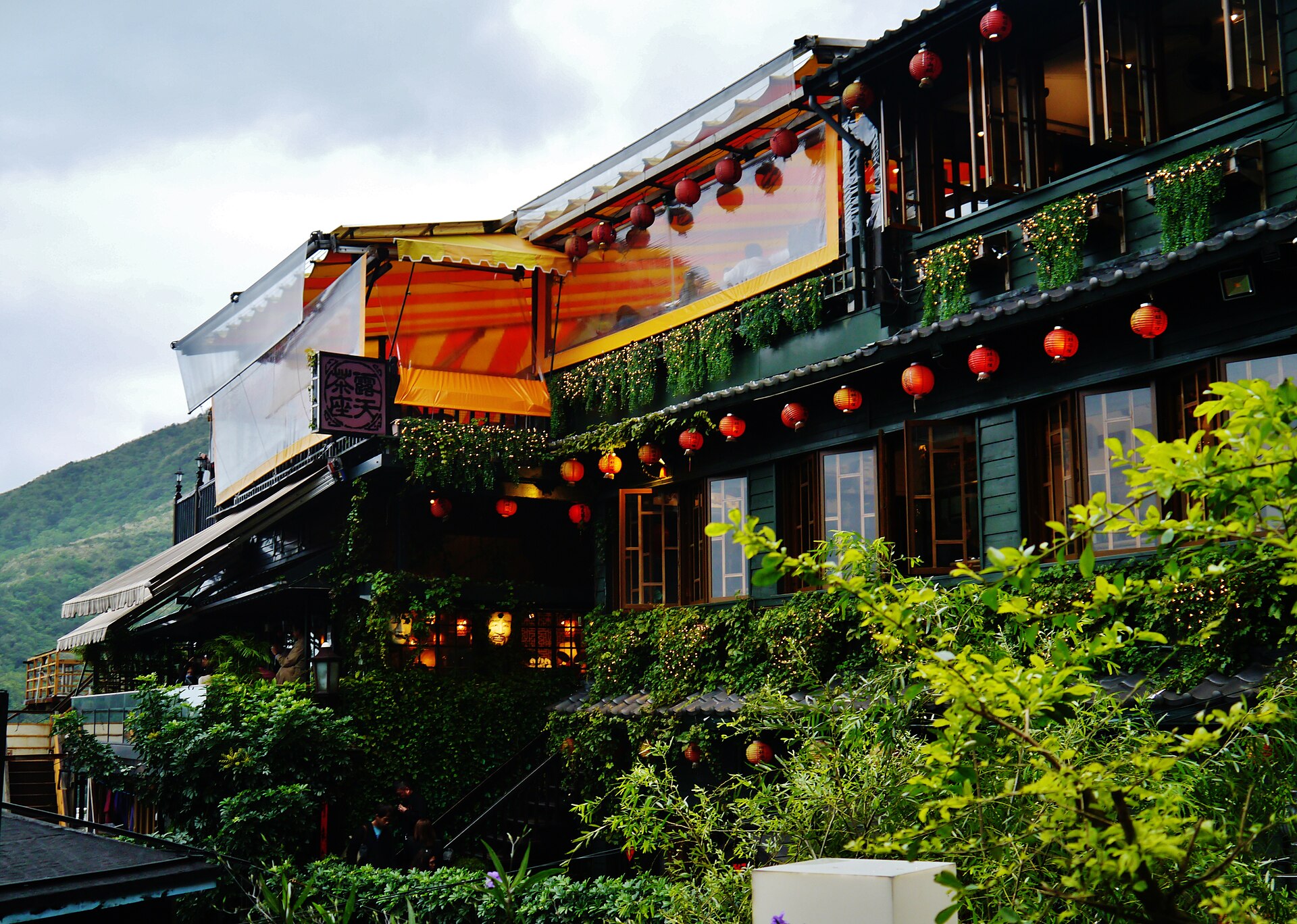
Jiufen is many foreign friends' first "mountain town impression" of Taiwan: red lanterns, stone steps, teahouses, and views stretching from the hillside all the way to the sea. It's not far from Taipei, making it perfect for a half-day to full-day itinerary. The hard part isn't finding your way—it's avoiding the crowds, catching the right light, and deciding whether to string the nearby Pingxi Line into your trip. This article, written from the perspective of taking friends along, covers everything you need to know at once.
From Taipei to Jiufen: how to choose the easiest way to get there
Jiufen sits up in the mountains of Ruifang District in New Taipei City, with no direct MRT or train service. The most common approach is tofirst go to Ruifang Train Station, then transfer to a bus up the mountain, or take a direct coach from Taipei. The smoothest route is TRA train plus bus: take the TRA from Taipei Main Station toRuifang Station, where the local train takes about 45 minutes and costs around NT$49 (the Tze-Chiang express is faster but requires a reserved seat). Leave the station via the front exit, turn left, and walk about 200 meters to the bus stop (not right at the station entrance), then transfer to bus 788, 827, 856, 965, or 1062 up the mountain; the ride takes about 15 minutes and costs around NT$15, payable with an EasyCard. With frequent service and great flexibility, this is the most worry-free route. If it's your first time using Taiwan's public transport, take a look at ourTransport Guideto get familiar with tapping your card and transferring.
If you'd rather not transfer, coaches run directly. Keelung Bus 1062 departs from Zhongxiao Fuxing MRT Station (Exit 2), passing Songshan Station and Ruifang, and goes directly to Jiufen Old Street and Jinguashi; from Zhongxiao Fuxing the ride is about 90 minutes and costs around NT$101, while boarding at Songshan Station has less traffic and takes about 1 hour. Taipei Bus 965 goes up the mountain from the Banqiao direction via Wanhua, Ximen, and Beimen. Direct buses save you the transfer, but they can easily get stuck on the mountain roads on weekends, so allow plenty of time. When traveling in a group, the queue taxis next to Ruifang Station are also a good deal—the posted reference fare is about NT$205 one way to Jiufen and about NT$270 to Jinguashi, so split among three or four people it's inexpensive and the most effortless option. Below is a table summarizing the times and costs of each method; actual fares and schedules are subject to the TRA, Keelung Bus, Taipei Bus, and on-site announcements.
| Method | Line | Approx. Time | Approx. Cost |
|---|---|---|---|
| TRA train + bus | Taipei → Ruifang → Jiufen | About 60 minutes | About NT$49 + NT$15 |
| Bus 1062 | Zhongxiao Fuxing → Jiufen | About 90 minutes | About NT$101 |
| Bus 965 | Banqiao / Ximen → Jiufen | About 90 minutes | Fare by zone |
| Taxi | Ruifang → Jiufen | About 15 minutes | About NT$205 per trip |
The EasyCard can be used on TRA local trains and the buses above, so remember to top it up before you set off. As for the most beautiful time to visit, Jiufen's biggest variable is actually the crowds: if you want to photograph clean stone steps and sea views, timing matters more than anything. The least crowded times are weekdays, arriving before 9:30 a.m., or after 6:30 p.m.—tour-bus groups are usually densest between these two times. The most beautiful moment is around when the lanterns are lit at dusk, roughly 4:30 to 6:00 p.m. (earlier in winter), when the sky shifts from blue to dark and the red lanterns glow—the most classic scene. On weekends the old street is often shoulder-to-shoulder, so if you can take time off, choose a weekday; the comfort difference is huge. A compromise is to head up on a weekday afternoon around three or four, first stroll and eat, then wait to photograph the lit lanterns before heading down, balancing the crowds and the night view. Mountain weather is changeable and it often rains and gets foggy, so bringing a lightweight umbrella is always a safe bet.
How to explore the old street, plus must-eats and must-photos
Jiufen Old Street is actually made up of several intersecting streets:Jishan Streetis the liveliest shopping street, where all the food and shopping can be found;Shuqi Roadis that classic flight of stone steps, flanked by teahouses and layer upon layer of red lanterns—the main stage for photos. Exploring it is simple: eat your way along Jishan Street, then loop over to Shuqi Road to shoot the sea view below. The classic angle on Shuqi Road is to stand at the middle of the steps and shoot downward, capturing the red lanterns, the stone steps, and the distant sea view all at once. A-Mei Teahouse is the most famous landmark teahouse, and its red-lantern facade is often associated by travelers with Spirited Away (it's not officially confirmed as a filming location, so take it as atmospheric inspiration only). If you want to sit down for tea, the tea charge is usually a few hundred NT dollars per person and includes tea snacks—the actual amount is subject to the shop's posted prices.
As for food, Jiufen taro balls are the signature, with Lai A-Po and A-Gan Yi Taro Balls both very famous; a bowl costs around NT$50-something. A-Gan Yi's selling point is its in-store viewing seats, where you can eat while gazing at Keelung Mountain and the sea. Others like caozaiguo (herb rice cake), fish ball soup, and peanut-roll ice cream are also worth trying. Old-street shops mostly operate from 10 a.m. to 8 p.m., adjusting by season and shop, so please refer to on-site information; most street-food stalls still mainly take cash, so it's a good idea to bring some change. If you want to dive deeper into Taiwanese street food, you can read on withTaiwan Food Guide. After exploring the old street, if you still have time, many people addPingxi Lineinto the plan: it's the TRA's scenic branch line, departing from Ruifang and stopping along the way at Houtong (Cat Village), Shifen (sky lanterns and Shifen Waterfall), Pingxi, Jingtong, and other stations—one of Taiwan's most charming little railway journeys. It's recommended to buy a Pingxi/Shen'ao Line one-day pass, which lets you hop on and off unlimited times at stations along the line that day; the full-fare pass is around NT$80 for reference, and the Ruifang-to-Shifen ride takes about 26 minutes (fares are subject to the official TRA). For the route, you can play the Pingxi Line in the morning—releasing sky lanterns and seeing the waterfall—then head up to Jiufen in the afternoon to see the lanterns lit, stringing together a mountain town and a railway in a single day. To plan a more complete itinerary, refer toTaiwan Itinerary Planning.
For pre-trip preparation, Jiufen is mostly outdoor stone steps, so wear comfortable walking shoes; mobile signal on the mountain is occasionally unstable, so set up your portable internet before heading out to make navigation, ride-hailing, and checking schedules go smoothly. To avoid the hassle of finding a SIM card after arriving in Taiwan, you can set up an eSIM before you go abroad.
Set up a Taiwan eSIM (Holafly) before you go
To skip the queues and dive straight into the fun, you can also book tour tickets online in advance:
View Jiufen, Yehliu and Shifen day tours
需要台北住宿或包車接送,可比較 台北住宿與交通(Trip.com)。
本段
Frequently Asked Questions
Is Jiufen better as a half-day or full-day trip?
If you only plan to stroll through Jiufen Old Street, half a day (including round-trip travel) is plenty. If you'd like to add stops along the Pingxi Line such as Shifen and Houtong, or throw in the Gold Museum at Jinguashi, set aside a full day so your itinerary feels more relaxed.
Can I use an EasyCard in Jiufen?
Yes. You can tap your EasyCard on TRA local trains and on the bus up the hill from Ruifang. Most of the food stalls along the Old Street still take cash only, so it's a good idea to carry some small change.
Will a rainy day ruin a trip to Jiufen?
Not really. Jiufen is often misty and rainy anyway, and the fog actually gives the mountain town even more atmosphere. As long as you bring an umbrella and wear non-slip shoes, sipping tea in a teahouse while watching the rain is a real treat.
How do I get from Jiufen to Jinguashi?
From Jiufen Old Street you can take bus 1062 or 788 onward to Jinguashi (Gold Museum, Quan-Ji Temple), a ride of about 10 minutes, making it easy to combine the two. Please check on-site notices for the latest schedules.
What time should I head back down the hill to be safe?
The last buses and coaches mostly stop running in the evening (buses back to Ruifang run until around 10 pm), so don't linger too late after seeing the lanterns lit up. It's best to check the return schedule ahead of time, or simply grab a taxi down to Ruifang to catch the train.
View Jiufen, Yehliu and Shifen Day or Night Tour on KKday
Leave a Reply